
Cover image of a 1960s carnival. (Courtesy of http://www.docsmidwaycookhouse.com)
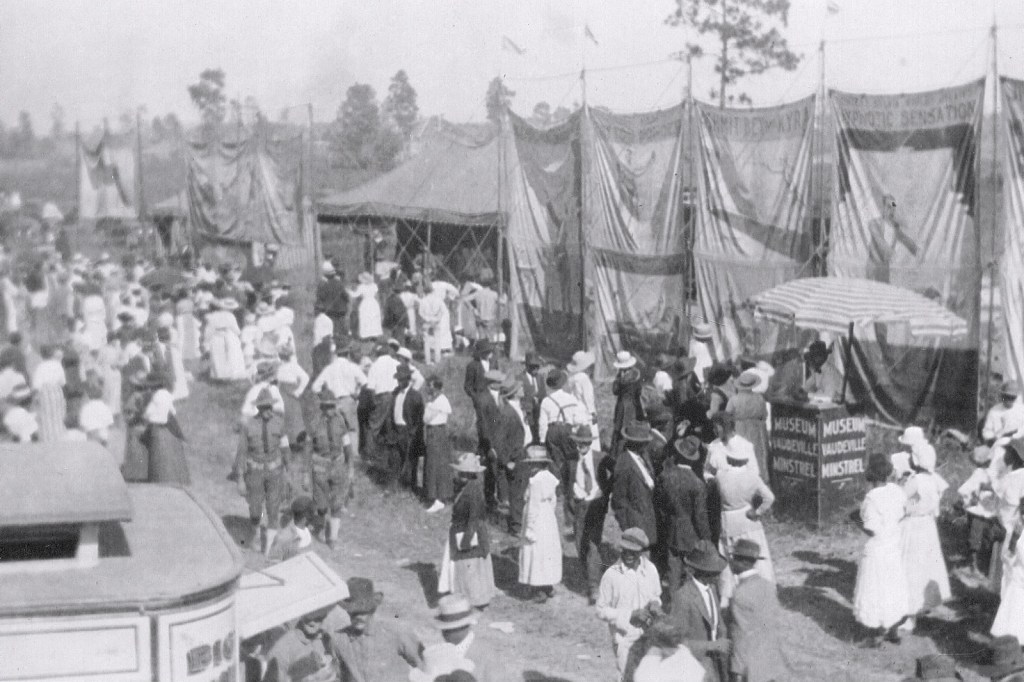
As with part one of Shores of Chaos, I included some customs and entertainment from the turn of the century in Darkness Follows. For one, circuses and carnivals gained popularity during this time. Many carnivals can trace their roots to the World’s Columbian Exposition held in 1893 in Chicago. In addition to the many exhibits and buildings the world’s fair offered, there was also an amusements area centered on Midway Plaisance. This is where the term midway came from which came to describe the place where carnival attractions like games, sideshows, and rides were placed. The first Ferris wheel as well as a Captive Balloon ride were featured on the Midway Plaisance, an early form of what would come to be amusement parks. The Plaisance also offered acrobats and exhibits of people from other cultures. Otto Schmitt, who worked at the world’s fair, made his own amusement company and by 1937 there were about 300 travelling carnivals in the US.1
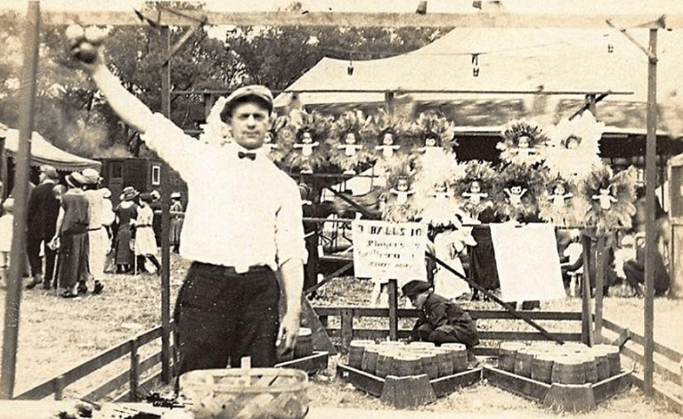
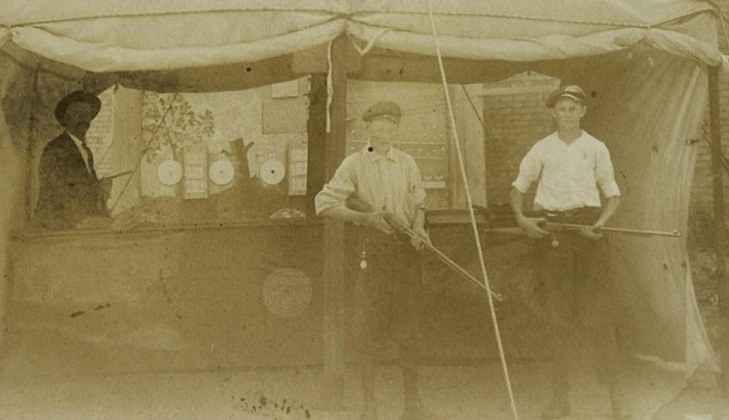
Some of the games I saw when researching and looking through old carnival photos from the early 1900-1910s included baseball toss, balls-in-the-bucket, ring toss, knocking down dolls, rifle target shooting, and a horse race. It’s not always clear what the prizes were for winning these games, but it appears they could have ranged from vases to knives to night stand clocks.2 Many of these games would be rigged so that the “mark” would give up a lot of cash.3 In later decades, the carnival’s biggest attraction would shift from the games or sideshow to the rides.4 Many popular carnival foods also got their start or boosted in popularity around the turn of the century. Cotton candy, then known as fairy floss, debuted at the 1904 St. Louis World’s Fair,5 the 1890s saw the first mobile popcorn maker, and the candy apple was invented in 1908.6
The modern circus was created in England during the 1770s by Philip Astley when he brought acts together in a ring. His student, John Bill Ricketts brought the circus to Philadelphia in 1793, with the audience sitting around the acts within a wooden ring. Later showmen transformed the circus further such as Joshua Purdy Brown who started the circus tent big top and Dan Costello who took his circus by train in 1869. P.T. Barnum started his massive circus operation in 1871 and had it travelling by train the next year. He joined with rival James A. Bailey in 1880, combing their successful circuses. Their circus showcased new inventions, exotic animals like elephants and tigers, acrobats, “freaks,” and clowns. It grew to employ over a thousand people and even went on a European tour. Meanwhile, the five Ringling brothers worked their way to become the biggest railroad circus in 1907. This partly came about when in the same year they purchased Bailey’s circus, becoming Ringling Bros. and Barnum & Bailey’s Circus, lasting 146 years as “The Greatest Show on Earth.”7
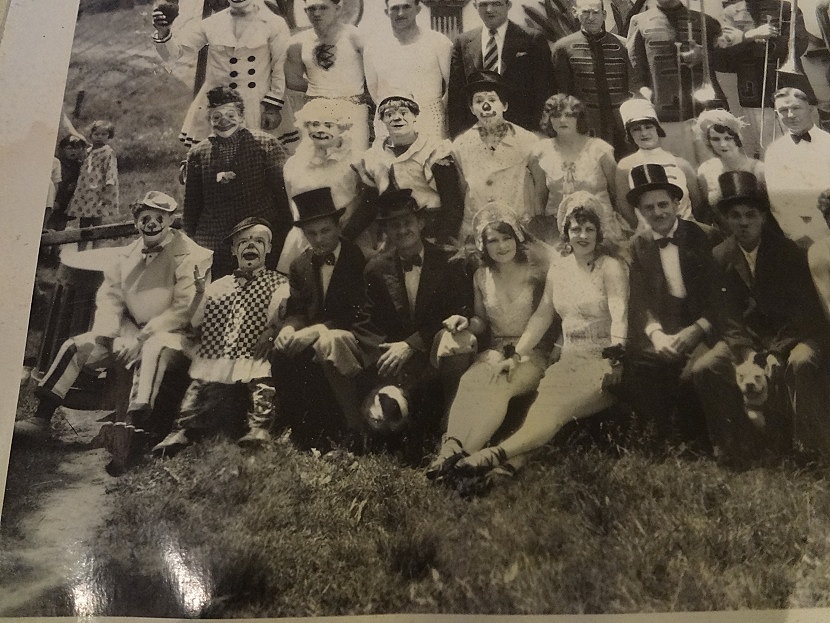
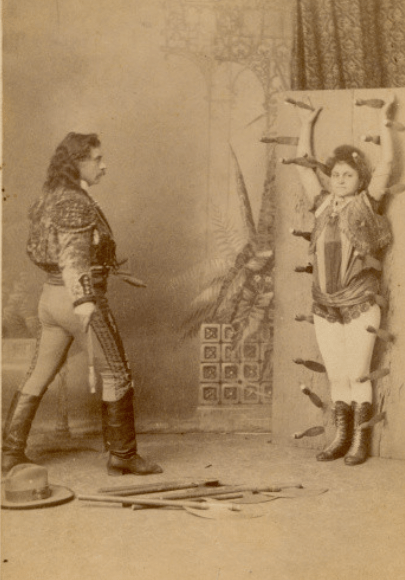
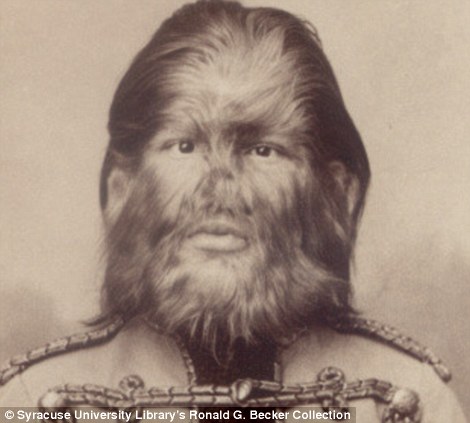
Many carnivals and circuses often included sideshows, with the sideshow sometimes being in a tent next to the circus big top. Sideshows would include a number of acts such as snake charmers, high wire acts, burlesque acts, and knife throwing. They also often included “freak shows” in which people or animals considered abnormal or exotic would be exhibited. The word in which freak would have been used in this sense originated in the 18th century when naturalists were trying to classify species. Anything that fell outside of what could be considered a normal member of the species would be deemed a freak of nature. In the early 19th century, exotic animals or human specimens in jars in addition to a live human would be exhibited. When P.T. Barnum opened his American Museum in 1841, he featured all sorts of performers who either had disabilities, certain physical syndromes, or were considered exotic by his audience. Soon these human curiosities began appearing on stage or in sideshows in what came to be known as freak shows. They would often feature people with physical conditions such as those with missing or extra limbs, excess facial hair, or obesity. Some also featured performers who pretended to be an animal or other oddity. Some sideshows may have featured only one of these “freaks” or one exhibit such as a unique animal or object. While the performers were often exploited, many achieved great fame and monetary success. The popularity of freak shows would last through the 1940s; the decline coming when the performers’ physical conditions started to be described by the medical community and television and movies gained in popularity.8
Sources
1. Carnival History: https://www.docsmidwaycookhouse.com/carnival-history/
2. “Carnival Carnies, Game Booths & Sideshows: 1900-1940s.” John Robinson. June 24, 2022. https://99wfmk.com/carnies-games-sideshows/
3. Traveling Carnivals. https://www.encyclopedia.com/media/encyclopedias-almanacs-transcripts-and-maps/traveling-carnivals#:~:text=Most%20histories%20credit%20the%201893,with%20the%20traveling%20carnival’s%20origination.
4. Show History. Various pages. https://showhistory.com/
5. “History on a stick: A Look at the Origins of Your Favorite Fair Fare.” Nancy Kennedy. March 28, 2018. https://www.chronicleonline.com/news/local/history-on-a-stick-a-look-at-the-origins-of-your-favorite-fair-fare/article_0fcbc426-32b9-11e8-a878-a390fee117b8.html
6. “A History of Your Favorite Carnival Foods.” April 24, 2018. https://www.celebrationsource.com/party-entertainments-west-miami/a-history-of-your-favorite-carnival-foods/
7. “America’s Big Circus Spectacular Has a Long and Cherished History.” Janet M. Davis. March 22, 2017. https://www.smithsonianmag.com/history/americas-big-circus-spectacular-has-long-and-cherished-history-180962621/
8. Arts and Culture: Freak Show. Britannica. https://www.britannica.com/art/freak-show
 Genavieve Blackwood's Author Website